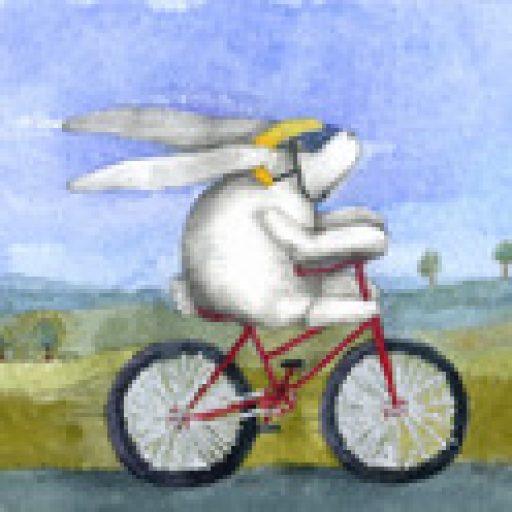
A story about cycling, mentorship, and the quiet power of leading by example.
This is a story about racing, rivalry, and the quiet power of someone believing in you before you believe in yourself. It’s about Jon — the club president who waited. And it’s about the lessons he taught me on and off the bike, the ones that still shape how I lead, ride, and live today.
On club rides, there’s always a bit of healthy competition. You ride with your teammates — but you also want to beat them.
On long rides, we’d climb plenty of hills. You can’t race up every one, so some riders played a game: they’d ride side by side, whistling as they climbed. The last one still whistling won. It kept things steady, stopped us from going full gas.
I loved hills.
I couldn’t whistle.
So I just went flat out.
I’d thrash it up the climb while behind me they were laughing, trying to whistle, giving up, and shouting, “MCGAAAAAW!” like a flock of outraged geese.
One time, we were climbing White Horse Hill — a proper leg-burner. About halfway up, Jon called out, “My glasses have fogged up!”
I didn’t need a second invitation.
While he was wiping his glasses, I attacked.
By the time he cleared them, I was up the road — and we were all laughing so hard we could barely ride straight.
One winter, just before Christmas, I was riding with the fast group: 80 miles of hard effort on cold, grey roads. Jon was leading the ride.
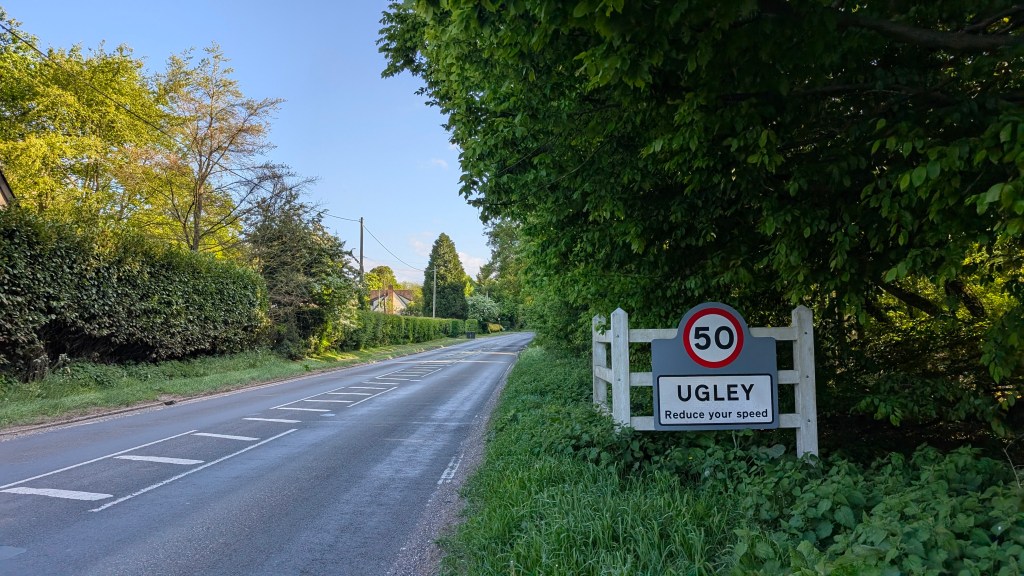
It’s common on club runs to sprint for the village signs. Jon was a brilliant sprinter — he won nearly every one. That day, we hit 17 village signs. Jon took them all.
Each time, he threw his arms in the air, Tour de France-style, eyes to the sky, celebrating in front of an imaginary crowd. It was hilarious. I tried to sprint against him, but I was a breakaway guy — not a sprinter.
As we neared the end of the ride, I knew there were two signs left. That’s when I hatched my plan.
Sometimes a person’s greatest strength is also their weakness.
We passed the 18th sign — cue the 18th exaggerated celebration.
That’s when I attacked.
I had five bike lengths before the laughter tipped Jon off. Ten lengths before he realized what was happening. He chased hard for two miles before giving up.
I didn’t celebrate at the 19th sign. I was wrecked. I stopped by the sign, gasping. Everyone was laughing.
Jon rode past, trying to look serious.
“Nice attack,” he said.
I got back on my bike, crawling along, ready to limp home alone.
But when I rounded the next corner — they were all waiting for me.
We finished the ride together, as a team.
That’s what it was like at that club.
Jon was the club president. A brilliant sprinter (and later time trialist), with plenty of wins — but he still led the slow rides. That’s how I met him.
One day, after a climb, I caught up while we waited for the others.
“Do you race?” he asked.
“No,” I said. “I don’t think I’m good enough.”
“You should,” he said. “You are.”
Later, Jon organized a meeting for new riders, gathering experienced racers to explain licenses, events, how to start. It’s where I met many senior club members who became friends.
When I joined, I was just a slow-ride club rider.
Jon saw something in me before I saw it in myself.
He didn’t just mentor racers.
He created them.
Like some weird kind of alchemy.
There was a varsity meal at Trinity College, where Jon had studied.
The lawns were immaculate — covered in strict “Keep Off The Grass” signs.
Jon always followed the rules.
But there wasn’t a sign saying, “Don’t urinate on the grass.”
I wasn’t there. But during the meal, the committee members disappeared outside, then came back laughing. Rumor had it: that was their quiet little act of protest.
At the time, I didn’t understand why Jon hated that old club so much.
Later, I learned why.
He’d come from another club, where M — the president — had done to him what he’d later do to me: cut him down, dismiss him, make him feel small.
So Jon left.
Joined another club.
Became its president.
And made sure it was different — welcoming, supportive, a place where new riders felt they belonged.
When I started racing, I wanted to road race because that’s what the riders I admired did.
I wanted to be like them.
You can find joy in knocking something down.
But there’s a different kind of joy in building something.
You can destroy a legacy…
or create one.
Years later, I led the fast rides myself.
But I always made time for the slow rides.
That’s where I’d started.
And now the new riders were starting to look up to me.
I wanted to lead by example — just like Jon had.
By then, Jon had graduated, but his influence stayed.
The people who took over had been shaped by his example.
That culture stayed.
Jon became a doctor. He always cared deeply about people — it’s in his nature.
He’s also a fantastic road racer and time trialist.
One evening, I turned up for a club time trial. Jon was riding for a racing team.
He asked, “Want to ride it as a 2-up?”
I said, “Hell yes.”
Jon didn’t need to ride it as a 2-up.
He would’ve gone faster solo.
He just wanted to race with me.
I only understood that much later.
He rode most of the race on the front, me clinging to his wheel, sheltered from the wind.
He made sure I didn’t get dropped.
We crossed the line together, as a team.
We both won.
 Davide la Locomotive
Leave a comment